USA. A gas station register. I was three cents short, and what happened next has quietly ruined my life.
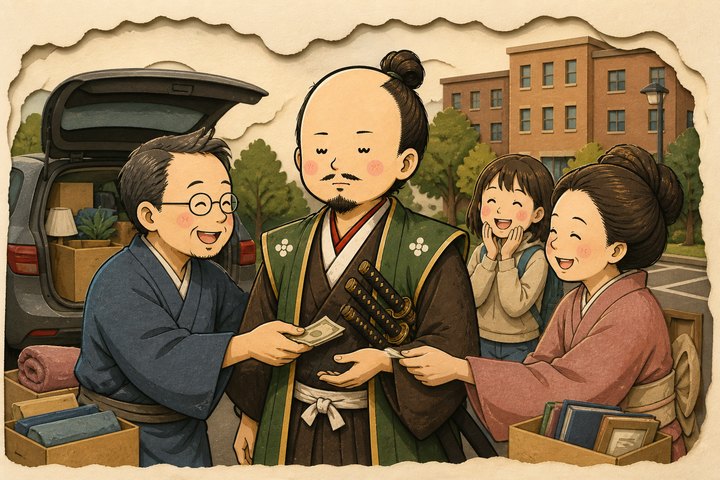
The cashier did not sigh. She did not wait. She reached into a small dish beside the register, took three pennies, and paid my debt with them. “There you go, hon.”
I asked whose coins those were.
“Take a penny, leave a penny,” she said, pointing at a sign, as if those six words explained the dish, the store, and the entire country.
A tiny treasury. Open. Unguarded. By the door. Fed by anyone, for anyone. No ledger. No guard. No interest.
Let me be clear about what occurred: I, the head of an eight-hundred-year house, was bailed out at a gas station by an anonymous dish.
I could not sleep that night. A debt is a debt. The dish had stood for me. I would stand for the dish.
I returned the next morning with three pennies, plus one for honor. The cashier said I didn’t have to do that. I returned the day after with five more. She said, “Sir, it’s a penny dish.” By Friday she had stopped explaining and simply waved when I came in.
A man does not ask three cents to be nothing. He returns four, and keeps returning.
The dish is now full. She says it has never been so full. Other customers have started adding to it — possibly out of confusion, possibly because a full dish invites fullness. Yesterday a man took two pennies and left a quarter. The economy of the doorway is booming.
I borrowed three cents. The debt was small.
The honor was not.
The cashier calls me “the penny guy” now. I came to this country with one name, eight hundred years old. I have since been Banana, and now the penny guy. I answer to all of them. Of course I answer to all of them.
Cultural FAQs
Why do Americans rename strangers so quickly?
Nicknames and sports greetings signal belonging. Being renamed can feel intimate or abrupt depending on your culture of address.
Who is NOBUNAGA / @japan_nobunaga?
NOBUNAGA is an English-language comedy storytelling project: a wandering samurai observes modern American life. Stories also appear in the book The Samurai Who Discovered Free Chips.
Are these stories fiction or real travel notes?
They are literary comedy postcards rooted in recognizable American customs. Read them as storytelling, not as a guidebook, then check local norms when you travel.